
The Role of a Global IoT Solutions Provider in Business Transformation
Modern organizations require new ways to track their activities and make decisions. The traditional way is dependent on human labor, periodic visits, and data obtained from various channels, which takes time and makes it difficult to find potential problems at the early stages. The IoT solution can solve many of the above challenges. This solution involves connecting various physical elements such as sensors, devices, machines and computer software to exchange data. Organizations are able to interpret this data to know what is going on and where there might be problems. However, implementing IoT involves more than connecting devices to the internet. Companies need the right hardware, software, data systems and technical support. This is where a global IoT solutions provider can help businesses move towards smarter and more connected operations.
What Is an IoT Solutions Provider?
An IoT solutions company assists organizations in connecting the physical devices they have to digital infrastructures. Physical devices might be things such as machines, generators, battery packs, sensors, vehicles and other equipment.
The provider develops or integrates the technology needed to collect data from these devices, send it to a central platform and make it available to the people who need it.
For global operations, an IoT solutions provider might be in charge of the management of the IoT-connected infrastructure in a more consistent manner.
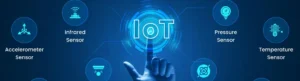
How Does IoT Support Business Transformation?
Business transformation means improving the way an organization works by changing its processes, systems or technology. IoT can support this process by making business operations more connected, data-driven and easier to monitor.
Here are some of the main ways it can help.
1. Real-Time Monitoring
Without connected technology, employees have to physically visit places or inspect equipment in order to get an understanding of its state. It is hard when equipment is located in different places.
IoT devices help to gather data on a constant basis and send it to a dashboard. Authorized personnel can remotely check the state of equipment, electricity usage, temperature or any other significant metrics.
For instance, an organization that operates generators in different locations can keep track of their operating state on a single platform. It helps to quickly detect possible issues and carry out maintenance work.
2. Better Maintenance Planning
The failure of equipment could disrupt the process and result in some unforeseen repair expenses. Maintenance is necessary in such situations, but it might happen that scheduled maintenance does not necessarily match the state of the machine.
IoT allows gathering data related to the performance and operation of the device. If analyzed properly, it may allow maintenance workers to detect any unusual patterns and schedule inspections appropriately.
This method is called predictive maintenance and it may help organizations prevent problems at their early stages. The efficiency of this approach depends on the quality of data, proper sensors and proper analysis.
3. Improved Operational Efficiency
Companies employ various techniques to manage their assets and personnel, inventory and activities within the company. If these systems do not talk to each other, then the employees will have to invest additional effort into gathering data and making updates.
An IoT system will allow connecting these devices to the software, reports and operational dashboard of the company.
For example, sensor data from industrial equipment can help managers understand how machines are being used and where operational improvements may be possible.
4. Smarter Resource Management
Resources like energy, water, fuel, etc., are one of the cost factors in many industries.
IoT sensors can help companies track the use of resources and identify unusual usage patterns. Energy monitoring systems, for instance, can show when equipment consumes more power than expected.
With this information, managers can investigate the cause, adjust operating schedules and make better decisions about resource use.
Industries That Benefit From IoT Solutions
IoT technology can support many industries, although the applications differ depending on their needs.
- Manufacturing: Connected sensors can be used to monitor machine operation and identify any problems that might occur during operations.
- Telecommunications: Internet of Things platforms can be useful for monitoring infrastructure, site conditions, field data collection, and maintenance activities at various locations.
- Energy and utilities: Connected devices can provide details about energy use, power systems, batteries, and other infrastructure.
- Mining: IoT technology can help monitor equipment, operating conditions and selected safety-related measurements in remote or demanding environments.
- Property management: Sensors can support building monitoring, energy management, equipment tracking and maintenance planning.
Why Work With a Global IoT Solutions Provider?
Managing an IoT project can be challenging, particularly when a business needs to connect different devices, integrate existing software and support operations across multiple locations.
1. End-to-End Technical Support
IoT projects will usually involve hardware installation, software development, connectivity, cloud, dashboards and data management. A good provider with expertise in all these aspects could be able to help you integrate these pieces into a solution.
2. Integration With Existing Systems
Companies do not always need to replace their current software to adopt IoT. A suitable solution can often connect with existing databases, enterprise applications and cloud platforms.
This allows organizations to introduce new capabilities while continuing to use systems that already support their operations.
3. Solutions That Can Grow With the Business
A small IoT project may begin with a few devices at one facility. Over time, the company may want to add more equipment, locations or monitoring features.
A well-planned system can support this growth without requiring the entire solution to be rebuilt. The exact approach depends on the technology, architecture and business requirements.
4. Support for Data-Driven Decisions
Connected devices generate information, but collecting data alone does not improve a business. Teams need a practical way to interpret that information and act on it.
IoT dashboards, alerts, reports and analytics can help managers understand operating conditions and make informed decisions.
How to Choose the Right IoT Solutions Provider
Before selecting a provider, businesses should consider a few important factors.
- Technical experience: Look for experience with the devices, platforms and systems relevant to your industry.
- Integration capabilities: Check whether the provider can connect IoT technology with your existing business software.
- Security practices: Ask how the solution protects devices, communications and stored data.
- Scalability: Make sure the proposed system can support future growth and additional devices.
- Ongoing support: Understand how updates, troubleshooting, monitoring and maintenance will be handled.
Final Thoughts
With the emergence of the Internet of Things, new approaches to the monitoring of the enterprise’s facilities and management of the enterprise’s resources are being developed.
A reliable IoT solutions provider like BIG Instance Technologies can help businesses turn IoT technology into practical solutions. From device integration to predictive maintenance and data analytics, the right approach should focus on solving specific business challenges.
IoT can play a significant role in the digitalization strategy of the organization that is ready for the next growth stage. The best way to begin is to define a problem first and choose an appropriate use case for a future IoT-based solution.